By Andrea Carlile
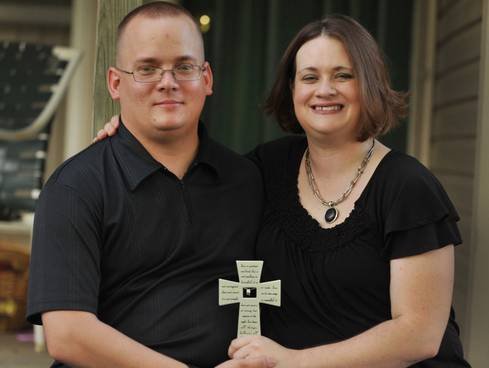 When my husband was first diagnosed with PTSD four years ago, his first method of coping with his symptoms was to drink alcohol. Before the PTSD, he was a social drinker, having a beer or glass of wine on dinner dates or out with friends. However, after his second deployment, he started to drink every night. What started as only a few beers became four and then six and so on. He drank to escape, to deal with anxiety, to avoid the thoughts and flashbacks, and to sleep.
The more he drank, the more he avoided our family and his responsibilities. The drinking meant he was walking away from his life and his family to avoid the past that he was unable to face. One night when he drove home drunk, it really struck me that he had a problem. I feared that he was going to ruin his life or someone else’s. Alcohol was not helping his PTSD; it was creating a whole new set of problems.
He finally agreed to get help, and after an evaluation at the VA, he began PTSD treatment there. Instead of turning to alcohol, he began counseling, immersion therapy, and anxiety medication. He stopped running from the memories by attempting to drown them in alcohol and instead consciously faced them. My husband learned to fight a whole new kind of war and after two long years came out victorious!
Today, my husband has returned to drinking only socially and has learned to manage his PTSD through effective and healthy methods. He follows up on his treatment regularly and is actively involved with our church and hobbies. Because of his choice to seek help, our lives are dramatically different. He has a great job, is working toward an accounting degree, and volunteers as an EMT for a local fire department. It is a far different life for our family than it was with the man who disappeared behind a life of alcohol and avoidance.
If you are dealing with PTSD and drinking to avoid pain and anxiety, it is certainly understandable. Alcohol is readily available and helps numb feelings. However, alcohol use will only make your symptoms and life worse.
Military Pathways offers free and anonymous alcohol use self-assessments to let people know if alcohol is a problem in their lives that needs to be addressed. You can take an assessment for yourself or on behalf of someone else at www.DrinkingIQ.org. There are many alternatives to alcohol for coping with PTSD. The most important step is to not fear asking for help. This is not a sign of weakness but courage.
My husband found an alternative to alcohol in facing the complexities of PTSD and it changed our family in profound ways. I am so thankful for his courage in facing his pain and learning to cope with his symptoms. I know that our story is similar to many military families.
Andrea Carlile is the spouse of a 12-year military veteran, received her Master’s from Indiana Wesleyan University, speaks to groups about PTSD, and is pursuing a career in Family and Marital Therapy. The War That Came Home is her first novel, and she will be releasing her second novel “Transformation” this summer.
